
 4 & 5 BHLK Prestigious
Living
4 & 5 BHLK Prestigious
Living Opp. The Grand Bhagwati
(TGB), Pakwan Circle, S.G Highway, Ahmedabad, Gujarat-380054
Opp. The Grand Bhagwati
(TGB), Pakwan Circle, S.G Highway, Ahmedabad, Gujarat-380054
Complete Beginner Guide about R3 Zone in Real Estate?
When people buy property, they usually focus on location, pricing, amenities, and future appreciation. But there is one important factor that directly impacts the value and usability of land zoning.
Zoning determines what can legally be built on a particular piece of land. It defines whether a property can be used for residential, commercial, industrial, agricultural, or mixed-use purposes.
Among residential zoning categories, one term that often creates confusion is the R3 Zone in real estate.
Many buyers, investors, and even first-time homeowners frequently ask:
- What is R3 Zone?
- What does R3 zoning mean?
- Can apartments be built in the R3 zone?
- Is the R3 zone residential or commercial?
- Is the R3 zone good for investment?
- Can I build a house in the R3 zone?
If you are searching for answers to these questions, you will get everything in a simple, practical, and beginner-friendly way.
What Does R3 Zone Mean?
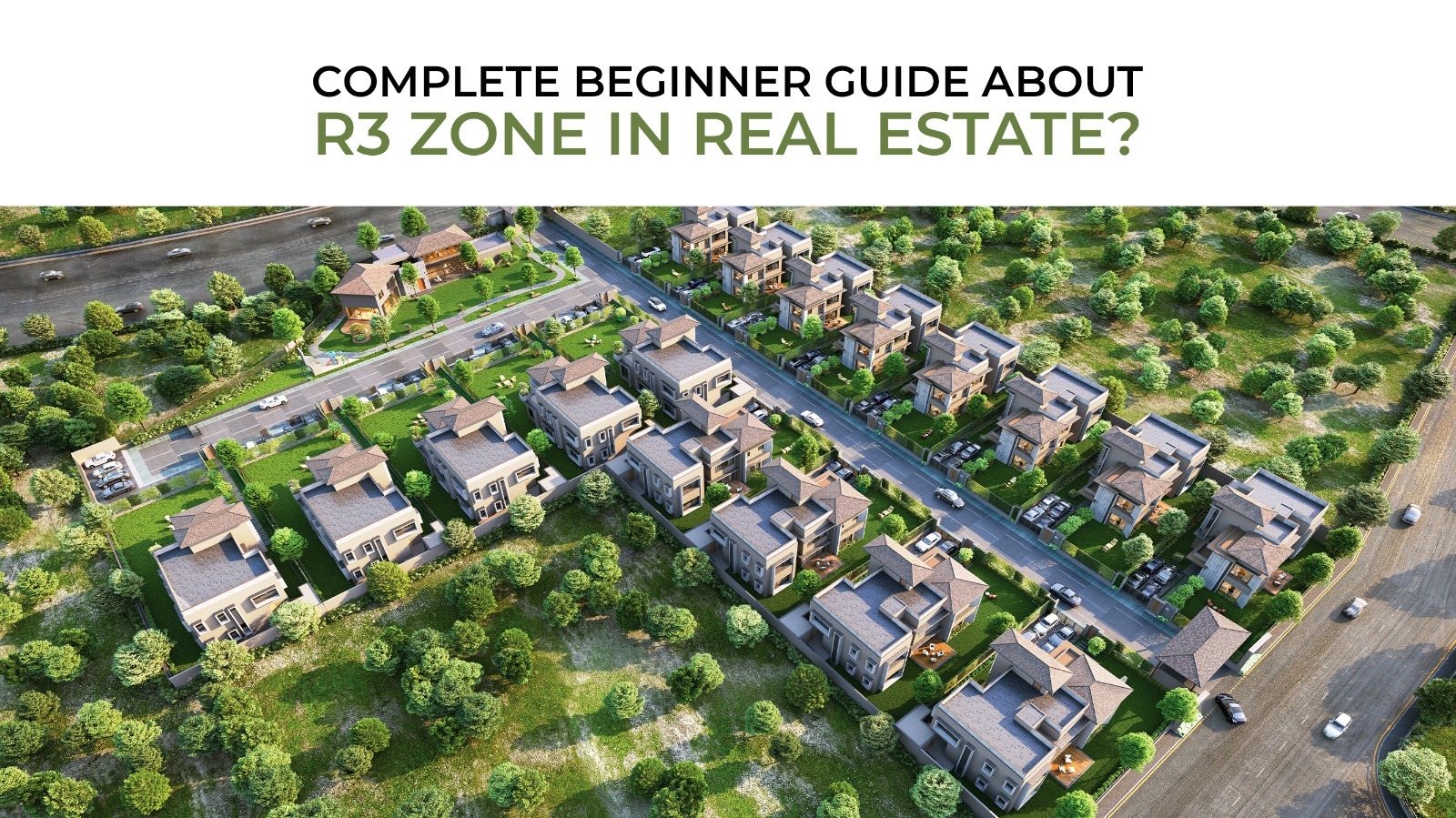
An R3 Zone in real estate is a residential zoning category that allows medium to high-density housing development.
In simple words, an R3 zone is created to support residential projects that can accommodate a larger number of people compared to low-density residential zones.
Depending on city regulations, an R3 residential zone may allow:
- Apartment buildings
- Multi-family housing
- Residential complexes
- Group housing projects
- Row houses
- Townhouses
- Mid-rise residential developments
Unlike low-density residential areas that are mostly limited to individual homes or bungalows, R3 zoning is designed for urban housing growth.
This is why R3 zones are commonly seen in:
- Expanding cities
- Urban growth corridors
- High-demand residential areas
- Locations near infrastructure projects
- Developing investment destinations
The exact meaning of R3 zoning may vary slightly depending on the state, municipal corporation or urban development authority. However, the overall purpose remains the same; organized residential development with higher density.
Understanding of R3 Zoning in Real Estate
To understand R3 zoning meaning, it is important to first understand why zoning exists. Cities cannot develop randomly without proper zoning regulations. Issues such as traffic congestion, overcrowding, poor infrastructure planning and unorganized construction become common. Urban planning authorities therefore divide land into different zones based on usage.
These generally include:
- Residential zones
- Commercial zones
- Industrial zones
- Agricultural zones
- Institutional zones
- Mixed-use zones
Residential zones are further divided into categories such as R1, R2, and R3.
Typically:
- R1 allows low-density residential development
- R2 allows moderate-density residential development
- R3 allows medium to high-density residential development
The higher the zoning category, the greater the construction flexibility and residential density.
An R3 zone property is therefore intended to support larger residential communities and better housing availability within growing cities.
Why Are R3 Zones Important?
Modern cities are growing rapidly. Population growth, urban migration, employment opportunities and infrastructure expansion are increasing the demand for organized housing.
This is where R3 zoning becomes important. An R3 residential zone helps cities in creating planned residential communities, improving housing supply, supporting urban population growth, enabling efficient land use, improving public infrastructure planning and reducing unplanned urban sprawl. In many growing cities, R3 zones are becoming highly valuable because they support future-ready residential development.
What Can You Build in the R3 Zone?
One of the most common questions buyers ask and the answer depends on local municipal rules and development authority regulations. However, in most cases, the following types of construction are permitted.
This is one of the most common developments in an R3 zone property. Builders often develop apartment projects in R3 zones because the zoning allows multiple residential units on a single plot. This makes R3 zone bungalow highly common in urban areas. Many gated communities and integrated housing developments are constructed in R3 zones. These projects may include, Clubhouses, Gardens, Parking spaces, Community halls, Security systems, Shared amenities
Apart from this, certain municipalities also permit row housing developments and townhouses within R3 zoning regulations. Unlike low-density residential zones, R3 zoning permits housing for multiple families within a single development. Government-backed and affordable housing projects are often planned in R3 zones because higher density supports more efficient housing delivery.
Can I Build a House in the R3 Zone?
Yes. One of the biggest misconceptions about R3 zoning is that it only allows apartment buildings. In many cities, independent homes and duplexes may also be permitted in an R3 residential zone. However, because the zoning allows higher density, the property may also have the potential for Additional floors, Multiple residential units, Group housing and Apartment-style development.
Before construction, it is important to verify local building rules. You should always check:
- FSI or FAR limits
- Building height permissions
- Setback requirements
- Parking regulations
- Road width conditions
- Municipal approval processes
So, building a house in the R3 zone is possible but the type and scale of construction depend on local zoning regulations.
Is R3 Zone Residential or Commercial?
Primarily, an R3 zone is residential. Its main purpose is housing and residential development. However, certain cities may allow limited support activities within residential projects, such as small convenience stores, Clinics, Daycare centers, Community facilities and small offices.
These are usually regulated through municipal permissions.
Large-scale commercial activity is generally not permitted unless the zoning classification changes officially. So overall, an R3 residential zone remains residential in nature.
Understanding R3 Zone Rules
Before purchasing land or property, understanding R3 zone rules is extremely important. Many buyers purchase land without checking what construction is legally allowed. This can later create issues related to approvals, redevelopment, or investment returns.
Here are some important R3 zoning regulations every buyer should know.
Floor Space Index (FSI/FAR)
FSI determines how much total construction can be done on a plot. R3 zones usually have higher FSI limits compared to low-density residential zones. This increases development potential.
Building Height Limits
Authorities define the maximum permissible building height. Height permissions may depend on road width, infrastructure availability, fire safety norms, city development plans
Setback Rules
Buildings must maintain minimum distance from roads and neighboring plots. These setback rules ensure proper ventilation, safety, and access.
Parking Requirements
Apartment and multi-family projects require adequate parking infrastructure.
Open Space Requirements
Developers may be required to provide green spaces, recreation areas, community spaces and internal roads.
Approval Process
Construction usually requires approvals from:
- Municipal corporations
- Urban development authorities
- Fire departments
- Environmental authorities
These R3 zone building rules vary from city to city, so buyers should always verify local regulations.
R3 Zone vs R2 Zone Difference
Many people compare R2 and R3 zones before buying property. The biggest difference between the two is residential density. An R2 zone generally allows moderate residential development, while an R3 zone allows higher-density housing.
An R2 zone is usually more suitable for independent homes, duplexes, smaller residential developments
An R3 zone is more suitable for apartment buildings, residential complexes, group housing, multi-family developments
Because R3 zoning allows greater construction flexibility, developers often prefer R3 land parcels in growing urban locations.
Is R3 Zone Good for Investment?
An R3 zone property investment can offer strong long-term potential because these zones are usually connected with urban expansion and housing demand.
Here are some reasons investors prefer R3 properties:
Better Development Potential
Since R3 zones support higher-density construction, developers can utilize land more efficiently.
Strong Rental Demand
Apartment developments in urban locations often attract working professionals, families, students and migrating populations because this creates strong rental demand.
Higher Appreciation Potential
Properties located near infrastructure projects often witness better long-term appreciation.
Future Urban Growth
As cities grow, demand for organized residential housing continues to increase. R3 zones are designed to support this growth. However, investment success depends on several important factors like:
- Location quality
- Infrastructure connectivity
- Market demand
- Legal approvals
- Builder reputation
- Development plans
A well-located R3 zone residential property in India can become a valuable long-term asset.
Benefits of Buying R3 Zone Property
There are several advantages of investing in an R3 zone property like:
- Better Utilization of Land
- Strong Housing Demand
- Suitable for Future Development
- Better Infrastructure Connectivity
- Good Long-Term Appreciation
R3 Zone Property Buying Tips
If you are planning to buy property in an R3 zone, here are some practical tips:
- Verify Zoning Classification: Always confirm whether the property officially falls under R3 zoning.
- Check Development Rules: Understand exactly what construction is permitted.
- Review Legal Documents: Ensure the property has Clear title, Approved layout, NA permission, Development approvals.
- Study Future Infrastructure: Upcoming infrastructure projects can significantly impact future value.
- Understand Local Demand: Study residential demand within the area before investing.
- Consult Experts: Professional legal and planning advice can help avoid costly mistakes.
Following these R3 zone property buying tips can help buyers make informed investment decisions.
How to Check R3 Zone Property?
Here are some practical ways to verify zoning classification.
- Visit the Municipal Office
- Check Online Planning Portals
- Review Property Documents
- Consult Town Planning Authorities
- Seek Professional Guidance
- Consult Experts:
Proper verification is extremely important before buying any property.
R3 Zone Property in Ahmedabad
Demand for R3 zone property in Ahmedabad has increased significantly over the past few years.
Ahmedabad is rapidly expanding due to:
- Infrastructure growth
- Improved connectivity
- Increasing housing demand
- Business expansion
- Urban development projects
Areas connected to:
- SG Highway
- Thalej
- Hebatpur Road
- SP Ring Road
- Vaishnodevi Circle
- South Bopal
- Shela
- GIFT City corridor
have witnessed strong residential growth.
This has increased interest in R3 zone real estate in Gujarat, especially among:
- Homebuyers
- Developers
- Investors
- NRIs
- Young professionals
People searching for the best R3 zone areas in Ahmedabad should evaluate:
- Connectivity
- Infrastructure
- Social amenities
- Future development plans
- Investment potential
Is R3 Zoning Good for Families?
Yes it is good! Apart from that many urban families today prefer organized residential communities because they offer:
- Better maintenance
- Convenience
- Shared amenities
- Improved safety
- Better connectivity
This makes R3 housing suitable not only for investors but also for end users and families.
Why is it a good decision to invest in an R3 zone?
Understanding the R3 Zone in real estate is important for every modern property buyer and investor.
Zoning directly impacts:
- Construction permissions
- Future development potential
- Property value
- Investment returns
- Urban growth
An R3 residential zone is primarily designed for medium to high-density residential development and plays a major role in modern urban planning.
Whether you are planning to buy residential land, invest in apartments, develop housing projects or purchase a future-ready home, understanding R3 zoning regulations can help you make safer and smarter decisions.
As cities like Ahmedabad continue to grow, organized residential planning will become even more important.
This is why understanding zoning concepts, land use rules, and residential development permissions is essential for every informed real estate buyer today.
Get in touch now